
Vials vs Tablets: Choosing Your Research Format
An objective comparison of lyophilized peptide vials and oral tablet formats for laboratory research applications.
Introduction to Research Peptide Formats
The format in which research peptides are delivered can significantly impact experimental design, dosing flexibility, and research outcomes. Modern peptide suppliers offer multiple format options, with lyophilized vials and oral tablets representing two distinct approaches to peptide delivery for research purposes. Understanding the characteristics, advantages, and limitations of each format enables researchers to select the most appropriate option for their specific experimental requirements.
When evaluating peptide vials vs tablets, researchers must consider factors including stability, dosing precision, administration routes, and the specific requirements of their research protocols. Neither format is universally superior—each offers distinct advantages depending on the research context. This guide provides an objective comparison to inform your format selection decision.
The emergence of tablet formats for research peptides represents an evolution in peptide delivery technology. While traditional lyophilized vials remain the standard for many research applications, tablets offer convenience and potential advantages for specific study designs. Understanding both formats ensures researchers can make informed choices aligned with their experimental goals.
Lyophilized Vials: The Traditional Research Standard
Understanding Lyophilization Technology
Lyophilized peptide vials contain peptides that have been freeze-dried to remove water content, leaving a stable powder that can be stored for extended periods. This preservation method, also known as freeze-drying, has been the gold standard for peptide storage and delivery in research settings for decades. The process involves freezing the peptide solution and then reducing the surrounding pressure to allow frozen water to sublimate directly from solid to gas.
The resulting lyophilized cake or powder exhibits significantly enhanced stability compared to aqueous solutions. Without water, the chemical reactions that degrade peptides—hydrolysis, oxidation, and microbial growth—are dramatically slowed. This stability makes lyophilized vials ideal for long-term storage and research applications requiring precise control over reconstitution timing.
Advantages for Research Applications
Lyophilized vials offer several distinct advantages that have made them the preferred format for many research applications. The ability to reconstitute peptides immediately before use ensures maximum freshness and activity. Researchers can control the concentration of the reconstituted solution, adjusting it to meet specific experimental requirements. This flexibility is particularly valuable for studies requiring precise dosing or multiple concentration levels.
The extended shelf life of lyophilized peptides provides practical benefits for research planning. Vials can be stored for months or years when properly maintained at recommended temperatures, allowing researchers to maintain peptide inventories without concern for rapid degradation. This stability is essential for long-term research projects and multi-phase studies.
Vial formats also enable flexible dosing strategies. Researchers can reconstitute with different volumes of bacteriostatic water to achieve desired concentrations, aliquot into smaller portions for multiple experiments, and adjust dosing protocols as research evolves. This adaptability makes vials suitable for exploratory research where protocols may require modification based on preliminary findings.
Considerations and Limitations
While lyophilized vials offer numerous advantages, they also present certain considerations for researchers. Reconstitution requires technical skill and sterile technique to prevent contamination. Researchers must calculate concentrations accurately and maintain proper storage conditions for reconstituted solutions, which have limited stability compared to lyophilized forms.
The reconstitution process introduces variables that must be controlled in experimental design. Factors such as the type of diluent used, reconstitution technique, and storage conditions for the reconstituted solution can all influence peptide stability and activity. Researchers must document these parameters carefully to ensure experimental reproducibility.
Vial formats also require appropriate laboratory infrastructure. Access to bacteriostatic water, sterile syringes, and proper storage facilities (refrigeration or freezing) is necessary for proper handling. These requirements may limit the practicality of vial formats for certain field research applications or studies conducted in resource-limited settings.
Oral Tablets: An Alternative Research Format
Tablet Technology and Peptide Delivery
Peptide tablets represent a more recent innovation in research peptide delivery, offering an alternative to traditional vial formats. These tablets contain peptides formulated with excipients that protect the active compound and facilitate delivery. The tablet format eliminates the need for reconstitution, providing a ready-to-use research compound that requires no preparation before administration.
The development of peptide tablets required solving significant formulation challenges. Peptides are susceptible to degradation in the gastrointestinal tract, where enzymes, pH extremes, and mechanical processing can break down peptide bonds. Tablet formulations incorporate protective technologies designed to shield peptides from these degrading factors, enabling oral delivery for research purposes.
Advantages for Specific Research Applications
Tablets offer distinct advantages for certain research contexts. The convenience of a pre-measured, ready-to-use format simplifies experimental protocols and reduces preparation time. This convenience is particularly valuable for studies involving multiple subjects, time-sensitive protocols, or research conducted in settings where sterile reconstitution would be challenging.
The stability of properly formulated tablets can exceed that of reconstituted vial solutions. While lyophilized vials offer excellent long-term stability in their dry state, once reconstituted, they require careful handling and have limited shelf life. Tablets maintain their integrity under ambient storage conditions, potentially simplifying logistics for certain research applications.
For research specifically investigating oral peptide delivery, bioavailability, or gastrointestinal processing, tablets provide the appropriate format. Studies examining how peptides survive digestive environments, interact with intestinal tissues, or are absorbed through oral routes require the tablet format to simulate real-world delivery conditions.
Research Considerations and Appropriate Applications
Researchers should recognize that tablets and vials serve different experimental purposes. Tablets are specifically designed for oral delivery research, while vials provide the standard format for most other research applications. The choice between formats should be driven by research objectives rather than convenience alone.
Studies comparing bioavailability between administration routes may utilize both formats to establish comparative data. Such research helps characterize how delivery format influences peptide absorption, distribution, and activity. These comparative studies contribute to understanding the pharmacokinetic properties of research peptides.
Tablet formats may also be appropriate for research requiring precise, consistent dosing without the variability that can accompany reconstitution. Each tablet contains a pre-measured quantity of peptide, eliminating potential calculation errors or concentration variations that could occur during manual reconstitution.
Comparative Analysis: Format Selection for Research
Stability and Storage Considerations
Both formats offer good stability when stored according to manufacturer recommendations, but under different conditions. Lyophilized vials require frozen storage (-20C or below) for maximum shelf life, though they remain stable for shorter periods at refrigerated temperatures. Once reconstituted, vial solutions typically remain stable for 30 days refrigerated or several months frozen.
Tablets generally offer ambient temperature stability, making them more convenient for storage and transport. However, they should still be protected from moisture, heat, and light to maintain integrity. The specific stability characteristics depend on the peptide and formulation, so researchers should consult product documentation for storage requirements.
Dosing Precision and Flexibility
Vials provide superior dosing flexibility. Researchers can reconstitute at various concentrations, adjust doses based on experimental needs, and aliquot into multiple portions. This flexibility is essential for dose-response studies, pilot experiments, and research requiring protocol modifications.
Tablets offer fixed dosing determined during manufacturing. While this ensures consistency, it limits the ability to adjust doses mid-study or customize concentrations for specific experimental requirements. Researchers requiring dosing flexibility should consider whether tablet strengths align with their protocol needs.
Practical Considerations for Research Design
Preparation Requirements: Vials require reconstitution with bacteriostatic water before use, introducing preparation time and technical requirements. Tablets are ready to use immediately, requiring no preparation or specialized equipment.
Dosing Flexibility: Vials offer high flexibility with adjustable concentrations. Tablets provide fixed, pre-measured doses determined during manufacturing.
Storage Requirements: Vials require frozen storage for long-term preservation and refrigeration after reconstitution. Tablets typically maintain stability at ambient temperature when protected from moisture.
Shelf Life: Lyophilized vials remain stable for 12-24 months frozen, with reconstituted solutions stable for approximately 30 days refrigerated. Tablets typically offer 12+ months stability at room temperature.
Best Applications: Vials are ideal for most research applications requiring precise control over concentration and dosing. Tablets are best suited for oral delivery research and convenience-focused protocols where preparation time must be minimized.
Cost Considerations
Cost comparisons between formats should consider total research value rather than per-unit price alone. Vials typically contain more peptide mass than tablets, offering potentially lower cost per milligram. However, if only a portion of the vial content will be used before reconstituted solution expires, some material may be wasted.
Tablets may offer cost advantages for studies with well-defined dosing requirements where the entire product will be utilized. The elimination of reconstitution supplies (bacteriostatic water, syringes, etc.) may also reduce ancillary costs. Researchers should calculate total project costs including all supplies when comparing formats.
Research Peptides by Format
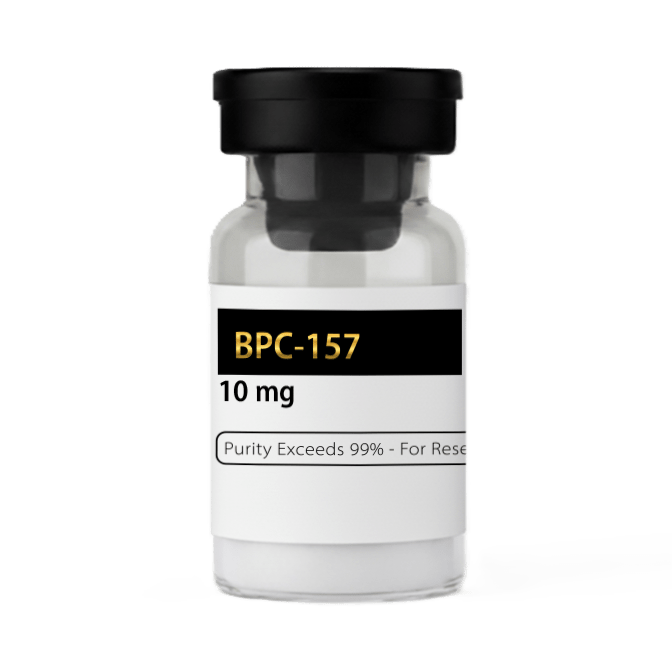
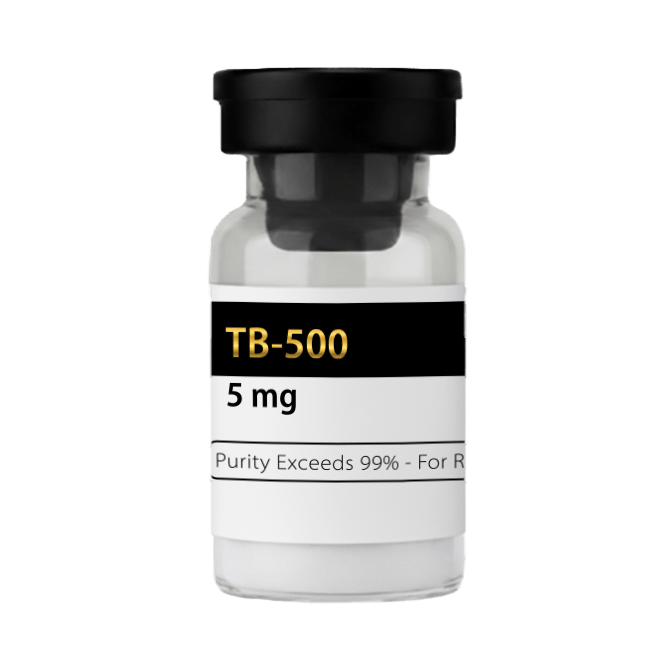
Lyophilized Vials
Oral Tablets


Frequently Asked Questions
Which format is better for research: vials or tablets?
Neither format is universally superior—the best choice depends on your specific research requirements. Vials offer greater dosing flexibility and are the standard format for most research applications. Tablets provide convenience and are specifically designed for oral delivery research. Consider your experimental design, dosing requirements, and research objectives when selecting a format.
Can tablets be used for the same research as vials?
Tablets and vials serve different primary research purposes. Tablets are specifically formulated for oral delivery research and studies investigating gastrointestinal processing. Vials provide the standard format for most other research applications, including those requiring precise concentration control or non-oral administration routes. While some research questions may be addressed with either format, the choice should align with your specific experimental requirements.
Do tablets have the same peptide quality as vials?
Both formats contain research-grade peptides manufactured to the same purity standards. The difference lies in formulation rather than peptide quality. Tablets contain additional excipients necessary for tablet formation and protection during oral delivery. Vials contain only the lyophilized peptide without additional formulation components. Both formats undergo rigorous quality testing and come with Certificates of Analysis.
How do I decide which format to purchase?
Consider these factors when deciding: (1) Research purpose—oral delivery studies require tablets, while most other research uses vials; (2) Dosing flexibility needs—vials allow concentration adjustments, tablets provide fixed doses; (3) Storage capabilities—vials require freezing, tablets store at room temperature; (4) Preparation time—tablets are ready to use, vials require reconstitution; (5) Cost efficiency—calculate total project costs including supplies for each format.
Are tablets as stable as lyophilized vials?
Both formats offer excellent stability when stored properly, though under different conditions. Lyophilized vials require frozen storage for maximum shelf life (12-24 months) but offer superior stability in their dry state. Tablets maintain stability at ambient temperature (typically 12+ months) but should be protected from moisture and heat. Once reconstituted, vial solutions have limited stability (approximately 30 days refrigerated), while tablets remain stable until their expiration date when properly stored.
Can I switch between formats during a research study?
Switching formats mid-study is generally not recommended due to potential differences in bioavailability, absorption rates, and pharmacokinetic profiles. If format comparison is part of your research design, both formats should be included as separate study arms with appropriate controls. For consistency within a study, maintain the same format throughout. Format-switching studies should be designed specifically to compare differences between delivery methods.
Do all peptides come in both formats?
Not all peptides are available in both formats. The availability of tablet formulations depends on the specific peptide’s stability characteristics, formulation feasibility, and research demand. Some peptides are only stable in lyophilized form, while others can be successfully formulated into tablets. Check product availability to determine which formats are offered for your peptide of interest.
⚠️ For Research Use Only
All compounds and formats discussed in this guide are for laboratory research purposes only. These peptides are not approved for human consumption, diagnostic use, or therapeutic applications. All research must comply with applicable local, state, and federal regulations. Researchers should consult institutional guidelines and regulatory requirements before beginning any peptide research.
Conclusion: Making the Right Format Choice
The choice between lyophilized vials and oral tablets ultimately depends on your specific research requirements, experimental design, and practical constraints. Both formats offer distinct advantages that make them suitable for different research applications.
Lyophilized vials remain the standard format for most peptide research applications, offering unmatched dosing flexibility, concentration control, and extended stability when properly stored. They are the preferred choice for studies requiring precise control over experimental conditions, dose-response investigations, and research where protocol modifications may be necessary. The ability to reconstitute at various concentrations and aliquot into multiple portions makes vials ideal for complex or multi-phase research projects.
Oral tablets provide valuable alternatives for specific research contexts, particularly studies investigating oral peptide delivery, bioavailability, or gastrointestinal processing. Their ready-to-use convenience, ambient temperature stability, and pre-measured dosing make them suitable for research where preparation time must be minimized or where oral delivery is the specific research focus.
When selecting a format, consider your research objectives first. If your study focuses on oral delivery mechanisms, tablets are the appropriate choice. For most other research applications, vials provide the flexibility and control necessary for rigorous scientific investigation. Consider also your laboratory capabilities, storage resources, and the specific requirements of your experimental protocol.
At Vizeeq, we offer both lyophilized vials and oral tablets for selected peptides, all manufactured to the same high purity standards. Whether your research requires the flexibility of vials or the convenience of tablets, our research-grade peptides provide the quality and consistency necessary for meaningful scientific discovery. Each product includes comprehensive documentation, Certificates of Analysis, and storage guidance to support your research success.
