TB-500: Tissue Regeneration Studies
Exploring TB-500 research in tissue repair, wound healing, and cellular regeneration studies.
Understanding TB-500 and Thymosin Beta-4
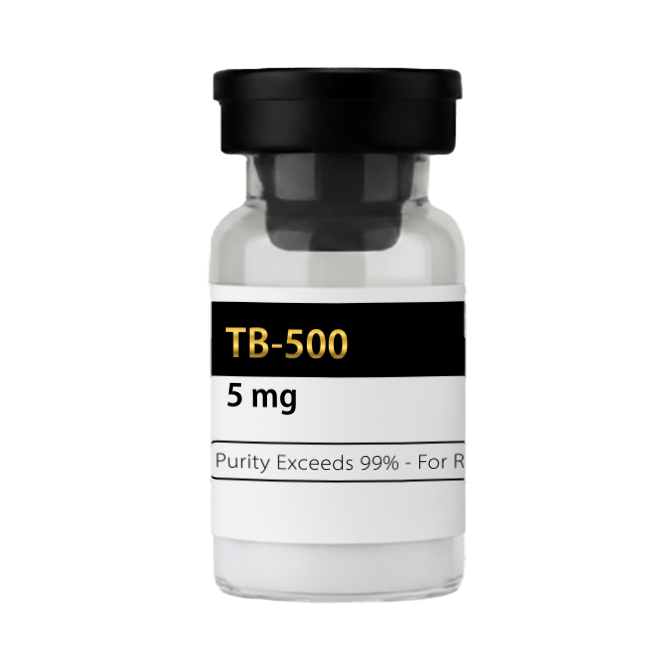
TB-500 is a synthetic version of the active region of Thymosin Beta-4, a naturally occurring peptide present in virtually all human and animal cells. This 43-amino-acid peptide fragment has demonstrated significant potential in studies examining tissue repair, cellular migration, and wound healing acceleration.
Molecular Mechanisms of TB-500
Actin Regulation and Cellular Migration
The primary mechanism through which TB-500 operates involves the regulation of actin, a critical component of the cellular cytoskeleton. TB-500 functions as an actin-sequestering protein that facilitates cellular migration, enables cells to navigate through tissue matrices, supports the formation of new blood vessels, and promotes wound healing through enhanced cell movement.
Anti-Inflammatory Pathways
Research has demonstrated that TB-500 modulates inflammatory responses through downregulation of pro-inflammatory cytokines (TNF-α, IL-6, IL-1β), upregulation of anti-inflammatory mediators, regulation of NF-κB signaling pathways, and modulation of COX-2 expression.
Research Applications
Wound Healing Studies
TB-500 has been extensively studied in wound healing models, demonstrating accelerated closure rates and improved tissue quality in dermal repair research.
Cardiac Tissue Research
Investigations into cardiac tissue repair have shown TB-500’s potential in promoting cardiomyocyte survival and reducing fibrotic tissue formation following injury.
Muscle and Tendon Studies
Research in muscle and tendon regeneration models indicates enhanced fiber organization and improved functional recovery with TB-500 administration.
⚠️ For Research Use Only
TB-500 is strictly for laboratory research purposes. Not for human consumption, diagnostic use, or therapeutic applications. Researchers must comply with all institutional and regulatory guidelines.