<
div style=”max-width:900px;margin:0 auto;padding:40px 20px;”>
Current Applications of Peptide Research in Laboratory Settings
A comprehensive overview of peptide research applications across scientific disciplines including metabolic, tissue repair, neurological, and immunology studies.
Introduction
Research peptides serve as versatile tools across numerous scientific disciplines, enabling investigators to probe biological mechanisms, test therapeutic hypotheses, and develop new research methodologies. From metabolic regulation to tissue regeneration, these compounds provide researchers with precise molecular tools for investigating complex biological systems.
The unique properties of peptides—their specificity, relatively small size, and ability to mimic natural signaling molecules—make them invaluable for understanding physiological processes.
Metabolic and Endocrine Research
Glucose Homeostasis Studies
Research in glucose regulation has been transformed by the availability of peptides that mimic or modulate incretin hormones. These compounds enable detailed investigation of blood sugar regulation, insulin sensitivity, and energy metabolism.
Insulin Research
Peptide-based research has advanced our understanding of insulin biology in several key areas: insulin secretion mechanisms, beta-cell function and survival, insulin resistance pathways, and glucose transporter studies.
Tissue Repair and Regeneration
Connective Tissue Research
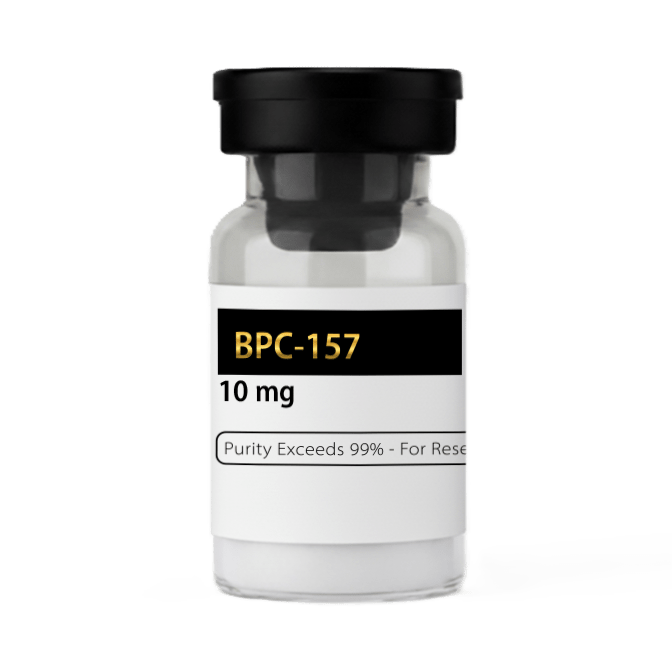
BPC-157 has become one of the most extensively studied peptides for connective tissue research, focusing on tendon-to-bone healing, ligament repair, collagen organization, and angiogenesis in connective tissue.
Skin and Wound Healing
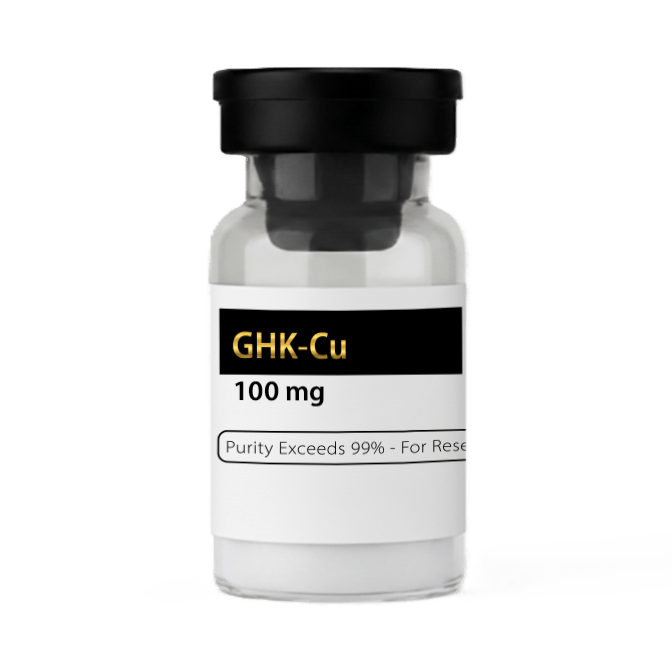
GHK-Cu has been extensively studied for collagen synthesis stimulation, wound contraction mechanisms, angiogenesis in skin, and anti-inflammatory effects.
Neurological Research
Neuroprotection Studies
Semax and Selank have demonstrated applications in ischemic stroke models, cognitive function studies, neurotrophic factor expression, and brain-derived neurotrophic factor (BDNF) research.
Immunology Research
Anti-Inflammatory Studies
KPV, an alpha-MSH fragment, has shown applications in inflammatory bowel disease models, skin inflammation studies, immune cell modulation, and cytokine suppression.
⚠️ For Research Use Only
All information presented is for educational and research purposes only. Research peptides are not approved for human consumption, medical use, or therapeutic applications. Researchers must comply with all institutional and regulatory guidelines.