Peptide Purity Testing: How to Verify Your Research Compounds
Essential guide to peptide quality verification methods, analytical techniques, and best practices for ensuring research compound integrity.
Introduction to Peptide Quality Assurance
In peptide research, compound quality directly impacts experimental validity and reproducibility. Whether investigating growth hormone secretagogues, tissue repair peptides, or metabolic regulators, verifying compound purity and identity is a fundamental prerequisite for meaningful research outcomes.
Why Purity Matters
Impurities in research peptides can significantly affect experimental results. Truncated sequences from incomplete synthesis may have altered biological activity. Degradation products from oxidation, hydrolysis, or aggregation can modify compound behavior. Residual solvents may introduce toxicity or interference, while counterion contamination affects solubility and stability.
Analytical Methods for Peptide Verification
High-Performance Liquid Chromatography (HPLC)
HPLC represents the gold standard for peptide purity assessment. Research published in PMC7119934 covers the major modes of HPLC utilized for peptides, including Reversed-Phase HPLC for peptide separation based on hydrophobicity, Size-Exclusion Chromatography to detect aggregates by molecular weight, and Ion-Exchange Chromatography for charge-based separation.
A proper HPLC analysis report should include a chromatogram showing peak separation, peak area percentage for the target compound, identification of impurity peaks, and retention time consistency with reference standards. Research-grade peptides should demonstrate ≥98% purity by HPLC analysis.
Mass Spectrometry (MS)
Mass spectrometry provides molecular weight confirmation and structural information. Electrospray Ionization (ESI-MS) offers soft ionization ideal for peptides. Matrix-Assisted Laser Desorption (MALDI-MS) is useful for larger peptides. Tandem MS (MS/MS) provides sequence confirmation through fragmentation analysis. The observed molecular weight should match the theoretical mass within acceptable tolerance.
Amino Acid Analysis (AAA)
This technique hydrolyzes the peptide and quantifies individual amino acids, confirming amino acid composition, determining peptide content, identifying amino acid substitutions, and quantifying residual water and salts.
Understanding Certificates of Analysis
A comprehensive Certificate of Analysis (CoA) should contain peptide content (≥80%), purity by HPLC (≥98%), molecular weight (±1 Da), salt content (≤15%), and water content (≤10%). Independent laboratory testing provides additional assurance through unbiased analytical results from ISO-accredited facilities, batch-specific documentation, and traceability to reference standards.
Stability and Storage Considerations
Degradation Pathways
Peptides can degrade through several mechanisms: hydrolysis (water-mediated cleavage of peptide bonds), oxidation (particularly affecting methionine, cysteine, and tryptophan residues), deamidation (asparagine and glutamine conversion), and aggregation (physical association into multimeric forms).
Optimal Storage Conditions
Proper storage extends compound stability. Store at -20°C for long-term storage and 4°C for short-term. Protect from light using amber vials or opaque containers. Control moisture with desiccant and avoid freeze-thaw cycles. Reconstitute in appropriate buffers considering pH requirements.
Visual Inspection Guidelines
Before analytical testing, visual assessment provides initial quality indicators. Lyophilized powder should appear as a uniform, fluffy white to off-white cake with no visible particles or discoloration. The cake should have intact structure without collapse and uniform texture throughout the vial. Upon reconstitution, the solution should dissolve completely without residue, appearing clear and colorless with no particulate matter.
Common Impurities and Their Sources
During solid-phase peptide synthesis (SPPS), several impurities may form: deletion sequences from incomplete coupling, truncated sequences from premature termination, diastereomers from racemization at chiral centers, and protected sequences from incomplete deprotection. Manufacturing processes may also introduce residual trifluoroacetic acid (TFA), acetonitrile or DMSO solvents, metal ions from equipment, and microbial contamination.
Best Practices for Researchers
Vendor Qualification
Before purchasing research peptides, request sample Certificates of Analysis, verify third-party testing protocols, confirm manufacturing standards (GMP, ISO), review quality control procedures, and assess batch-to-batch consistency data.
Receiving and Documentation
Upon receipt of research compounds, inspect packaging for damage or temperature excursions, verify CoA matches product label, record lot numbers and expiration dates, document storage conditions immediately, and retain samples for potential retesting.
Related Research Compounds
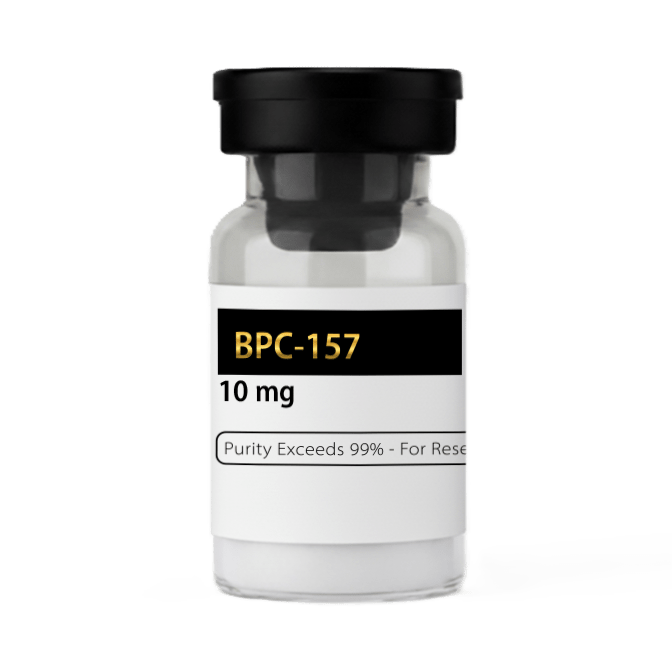
BPC-157 10mg
$55.99
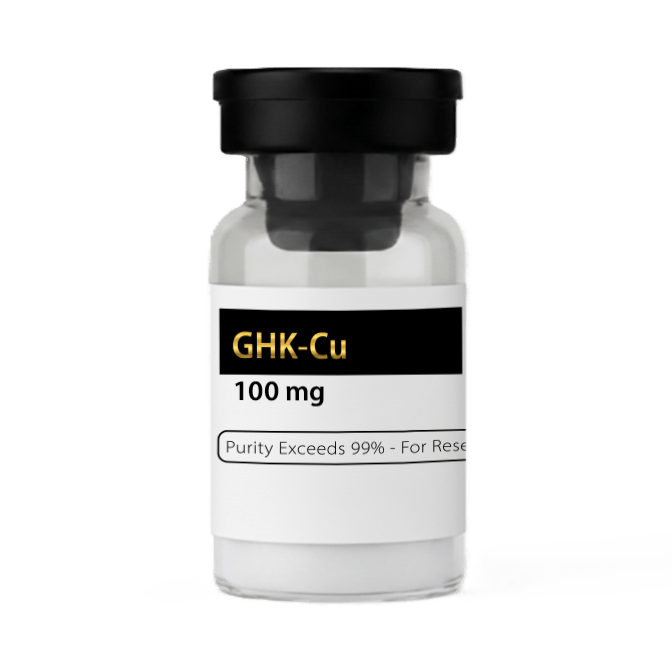
GHK-Cu 100mg
$65.99
⚠️ For Research Use Only
All compounds mentioned are for research purposes only. Not for human consumption. These products have not been evaluated by the FDA and are not intended to diagnose, treat, cure, or prevent any disease.