
Intro to 5-Amino-1MQ Research: A Beginner’s Laboratory Guide
5-Amino-1MQ has emerged as a significant compound in metabolic research as a potent and selective inhibitor of nicotinamide N-methyltransferase (NNMT). This small molecule offers unique mechanisms for studying cellular metabolism, energy expenditure, and metabolic disease models. For laboratory professionals beginning their investigation of this compound, understanding its mechanisms, applications, and proper handling is essential. This comprehensive beginner’s guide covers everything needed to conduct meaningful 5-Amino-1MQ research.
All products discussed in this article are strictly for research use only and not intended for human consumption.
5-Amino-1MQ Products for Research
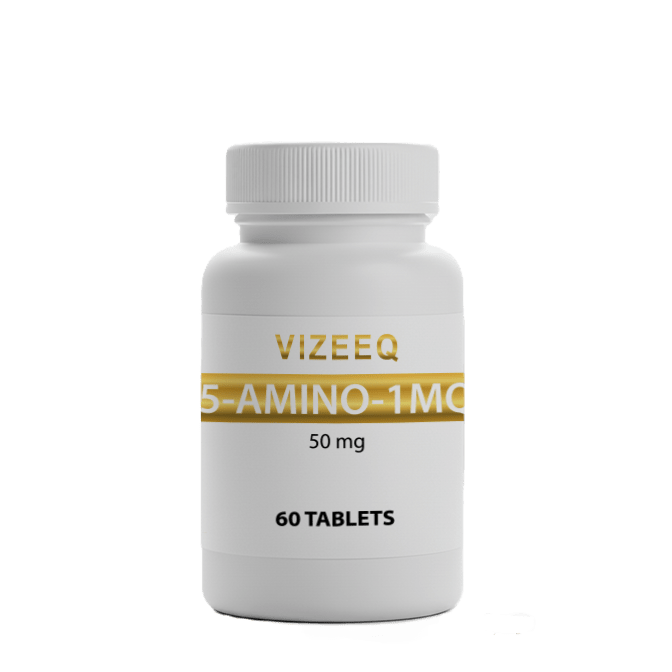
What is 5-Amino-1MQ?
5-Amino-1MQ (5-amino-1-methylquinolinium) is a small molecule inhibitor of nicotinamide N-methyltransferase (NNMT), an enzyme that plays a key role in cellular metabolism. Developed through rational drug design, this compound has become valuable for studying metabolic regulation and energy homeostasis.
Key characteristics include:
- NNMT inhibitor: Potent and selective enzyme blocker
- Small molecule: Quinoline-based structure
- Cell-permeable: Easily enters cells for research
- High selectivity: Minimal off-target effects
Mechanism of Action
NNMT Inhibition
5-Amino-1MQ selectively inhibits nicotinamide N-methyltransferase (NNMT), an enzyme that methylates nicotinamide (vitamin B3) using S-adenosylmethionine (SAM) as a methyl donor. By blocking this enzyme, 5-Amino-1MQ affects multiple metabolic pathways.
NAD+ Preservation
By inhibiting NNMT, 5-Amino-1MQ prevents the conversion of nicotinamide to 1-methylnicotinamide. This leads to:
- Increased available nicotinamide for NAD+ synthesis
- Elevated cellular NAD+ levels
- Enhanced sirtuin activity
- Improved mitochondrial function
Metabolic Effects
NNMT inhibition through 5-Amino-1MQ has been shown to affect:
- Energy expenditure and thermogenesis
- Glucose and lipid metabolism
- Adipocyte function
- Cellular senescence markers
Research Applications
Metabolic Studies
5-Amino-1MQ has been extensively studied for metabolic research:
- Obesity and weight regulation models
- Type 2 diabetes research
- Energy expenditure mechanisms
- Brown adipose tissue activation
Aging Research
Studies have investigated 5-Amino-1MQ’s role in:
- Cellular senescence
- NAD+ metabolism and aging
- Metabolic decline with age
- Senolytic and senomorphic effects
Cancer Research
NNMT is overexpressed in various cancers, making 5-Amino-1MQ valuable for studying cancer metabolism and potential therapeutic approaches in research models.
Laboratory Protocol for Beginners
Handling and Storage
5-Amino-1MQ requires proper handling before laboratory use:
- Store tablets in original container at room temperature
- Protect from moisture and light
- For cell culture: Dissolve in appropriate solvent (DMSO or ethanol)
- Prepare fresh solutions for each experiment
Storage Guidelines
Proper storage maintains compound integrity:
- Tablets: Room temperature, dry environment
- Stock solutions: -20°C, protect from light
- Working solutions: Prepare fresh, use within 24 hours
- Avoid repeated freeze-thaw of solutions
Key Research Findings
Laboratory studies have demonstrated several significant findings regarding 5-Amino-1MQ:
- Significant weight reduction in diet-induced obesity models (Kraus et al., 2014)
- Improved glucose tolerance and insulin sensitivity
- Increased energy expenditure through enhanced thermogenesis
- Reduced adipose tissue inflammation
Research Considerations for Beginners
Purity Verification
Always verify 5-Amino-1MQ purity through third-party analysis. Research-grade compounds should be ≥98% pure with Certificates of Analysis available.
Dosage Considerations
Research models have used various concentrations. Cell culture studies typically use micromolar concentrations. Always consult current literature for specific protocols.
Regulatory Status
5-Amino-1MQ is not approved for human use by the FDA or any international regulatory body. It is strictly for laboratory research and analytical study by qualified professionals.
Frequently Asked Questions
How does 5-Amino-1MQ differ from NAD+ precursors?
While NAD+ precursors like NMN or NR provide building blocks for NAD+ synthesis, 5-Amino-1MQ works by inhibiting NNMT, which preserves existing nicotinamide and allows more efficient NAD+ recycling. The mechanisms are complementary.
What makes NNMT an important research target?
NNMT is upregulated in obesity, type 2 diabetes, and various cancers. It diverts nicotinamide away from NAD+ synthesis, potentially contributing to metabolic dysfunction. Inhibiting NNMT offers a unique approach to studying these conditions.
What is the shelf life of 5-Amino-1MQ?
When stored properly in tablet form at room temperature in a dry environment, 5-Amino-1MQ maintains stability for 2+ years. Stock solutions should be prepared fresh and stored at -20°C for short-term use.
Getting Started with 5-Amino-1MQ Research
For researchers beginning their investigation of 5-Amino-1MQ, we recommend starting with comprehensive literature review, establishing clear research protocols, and sourcing high-quality, verified compounds from reputable suppliers.
Shop 5-Amino-1MQ for Research →References
- Kraus D, et al. Nicotinamide N-methyltransferase knockdown protects against diet-induced obesity. Nature. 2014;508(7495):258-62.
- Neelakantan H, et al. Selective and membrane-permeable small molecule inhibitors of nicotinamide N-methyltransferase reverse high fat diet-induced obesity in mice. Biochem Pharmacol. 2018;147:53-63.
- Pissios P. Nicotinamide N-Methyltransferase: More Than a Vitamin B3 Clearance Enzyme. Trends Endocrinol Metab. 2017;28(5):340-353.
