
How to Reconstitute Peptides: A Beginner’s Laboratory Guide
Proper reconstitution is a critical first step in peptide research. This comprehensive guide covers everything laboratory professionals need to know about preparing lyophilized peptides for research use, including equipment selection, techniques, calculations, and storage protocols.
All procedures described are for laboratory research purposes only and not intended for human application.
What is Peptide Reconstitution?
Peptide reconstitution is the process of dissolving lyophilized (freeze-dried) peptide powder into a liquid solution for laboratory use. Most research peptides are shipped in lyophilized form to maintain stability during storage and transport.
The reconstitution process requires:
- Sterile diluent (typically bacteriostatic water)
- Proper calculation of concentration
- Aseptic technique
- Appropriate storage after reconstitution
Required Equipment
Essential Items
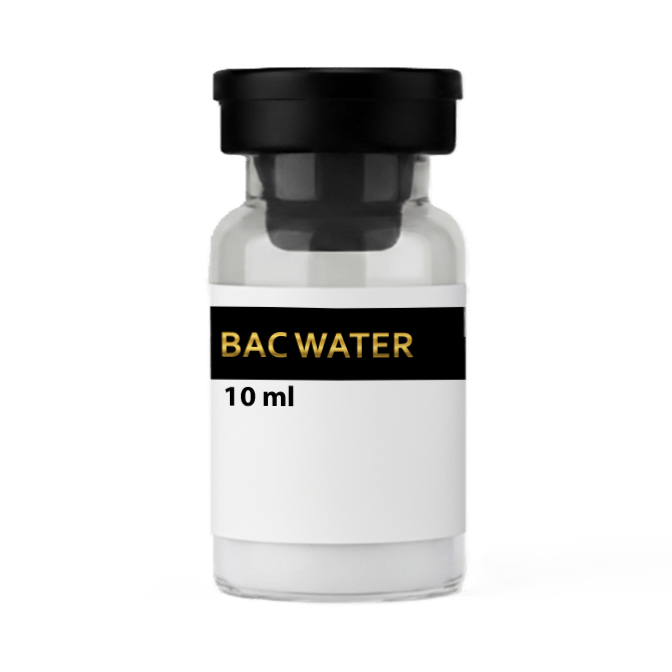
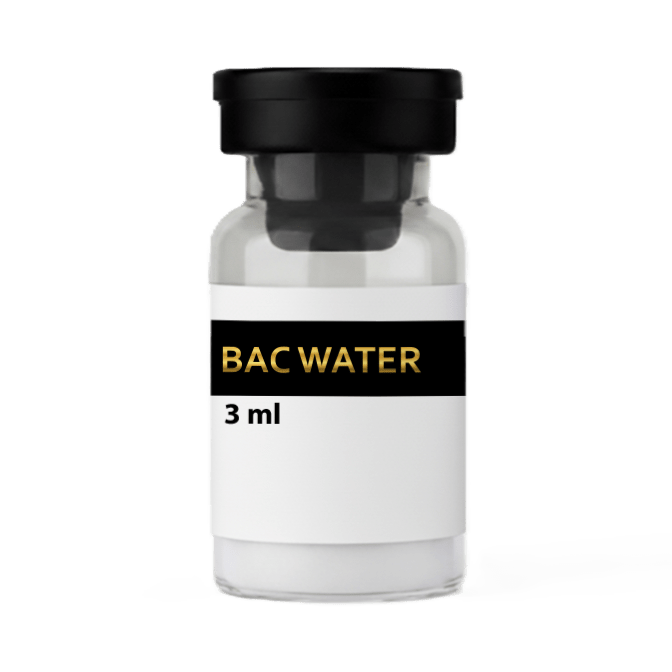
- Bacteriostatic Water: Sterile water with 0.9% benzyl alcohol to prevent bacterial growth
- Syringes: Sterile syringes for measuring and transferring liquid
- Alcohol Swabs: For disinfecting vial stoppers
- Vial: The lyophilized peptide vial
- Laboratory Notebook: For recording reconstitution details
Optional but Recommended
- Vial cracker/decapper for opening ampules
- Label maker for dating reconstituted vials
- Refrigerator thermometer for storage verification
Step-by-Step Reconstitution Protocol
Step 1: Calculate Your Concentration
Determine your desired concentration before beginning. Common research concentrations range from 1-10 mg/mL depending on the peptide and intended application.
Formula: mg of peptide ÷ mL of diluent = concentration (mg/mL)
Example: 5 mg peptide + 1 mL water = 5 mg/mL solution
Step 2: Prepare Your Workspace
- Clean and disinfect your work surface
- Wash hands thoroughly and use gloves
- Gather all materials before starting
- Allow peptide vial to reach room temperature
Step 3: Disinfect Vial Stoppers
- Wipe the peptide vial stopper with an alcohol swab
- Wipe the bacteriostatic water vial stopper
- Allow alcohol to dry completely (30-60 seconds)
Step 4: Draw Diluent
- Draw air into syringe equal to your desired volume
- Insert needle into bacteriostatic water vial
- Inject air into vial (creates pressure for easier withdrawal)
- Invert vial and draw required amount of water
- Remove needle and check for air bubbles
Step 5: Add Diluent to Peptide
- Insert needle into peptide vial at an angle
- Direct liquid slowly down the inside wall of the vial
- Do not shake or agitate vigorously
- Allow powder to dissolve naturally
Step 6: Dissolution
- Gently roll vial between palms (do not shake)
- Allow 1-2 minutes for complete dissolution
- Solution should be clear with no visible particles
- If particles remain, allow more time—do not force
Step 7: Label and Store
- Label vial with peptide name, concentration, and date
- Store at 4°C (refrigerator)
- Use within recommended timeframe (typically 14-30 days)
- Record details in laboratory notebook
Common Reconstitution Volumes
| Peptide Amount | Diluent Volume | Final Concentration |
|---|---|---|
| 5 mg | 1 mL | 5 mg/mL |
| 5 mg | 2 mL | 2.5 mg/mL |
| 10 mg | 1 mL | 10 mg/mL |
| 10 mg | 2 mL | 5 mg/mL |
Storage Guidelines After Reconstitution
Temperature
- Refrigerated (4°C): Most reconstituted peptides remain stable for 14-30 days
- Frozen (-20°C): Some peptides can be aliquoted and frozen for longer storage
- Room Temperature: Generally not recommended for extended periods
Best Practices
- Store vials upright to prevent leakage
- Protect from light (use amber vials or foil wrapping)
- Avoid repeated temperature fluctuations
- Label with reconstitution date and concentration
- Discard if cloudiness or precipitation develops
Troubleshooting Common Issues
Peptide Won’t Dissolve
- Allow more time—some peptides dissolve slowly
- Gently roll vial (never shake vigorously)
- Ensure diluent is at room temperature
- Check pH compatibility if using custom buffers
Cloudy Solution
- May indicate pH incompatibility
- Check for bacterial contamination
- Verify diluent is sterile and appropriate
- Discard if cloudiness persists
Precipitation After Storage
- Some peptides precipitate at cold temperatures
- Gently warm to room temperature and roll vial
- If precipitate doesn’t dissolve, discard solution
Frequently Asked Questions
Can I use sterile water instead of bacteriostatic water?
While sterile water can be used, bacteriostatic water is strongly recommended for research applications. The 0.9% benzyl alcohol prevents bacterial growth, extending the usable life of reconstituted peptides from days to weeks.
How long do reconstituted peptides last?
Most peptides remain stable for 14-30 days when refrigerated in bacteriostatic water. Some peptides may last longer, while others are more labile. Always consult peptide-specific literature and monitor for signs of degradation.
What concentration should I use?
Research concentrations typically range from 1-10 mg/mL depending on the peptide and intended application. Lower concentrations (1-2 mg/mL) are often preferred for stability, while higher concentrations may be needed for specific research protocols.
Can I freeze reconstituted peptides?
Some peptides tolerate freezing well, while others degrade. If freezing is necessary, aliquot into single-use portions to avoid freeze-thaw cycles. Always verify peptide-specific stability data before freezing.
Shop Research Peptides
Browse our complete catalog of research-grade peptides. All compounds are ≥98% purity verified by HPLC analysis with full Certificates of Analysis.
Browse All Products →References
- Vance DE, et al. Peptide stability in aqueous solutions: factors affecting degradation and strategies for preservation. J Pept Sci. 2015;21(4):235-42.
- Manning MC, et al. Stability of protein pharmaceuticals: an update. Pharm Res. 2010;27(4):544-75.
- Wang W. Instability, stabilization, and formulation of liquid protein pharmaceuticals. Int J Pharm. 1999;185(2):129-88.
