
GLP-1-S vs GLP-2-T: Metabolic Research Peptides Compared
A comprehensive comparison of metabolic research peptides, examining mechanisms, applications, and research uses for glucose regulation studies.
Understanding Metabolic Peptide Research
Metabolic research represents one of the most rapidly evolving fields in peptide science, with particular focus on glucose regulation, insulin signaling, and energy homeostasis. At the forefront of this research are glucagon-like peptides, naturally occurring hormones that play fundamental roles in metabolic regulation. Understanding the distinctions between GLP-1-S and GLP-2-T is essential for researchers designing studies in metabolic science, glucose homeostasis, and related therapeutic applications.
While both GLP-1-S and GLP-2-T belong to the incretin family of hormones, they exhibit distinct mechanisms of action, receptor targets, and physiological effects. GLP-1 vs GLP-2 comparisons reveal complementary rather than overlapping functions in metabolic regulation. This guide provides an in-depth examination of these research peptides, their unique characteristics, and their applications in laboratory settings.
The growing interest in metabolic peptides stems from their central role in glucose regulation research. These compounds influence multiple aspects of metabolic function, from pancreatic hormone secretion to gastrointestinal motility, making them valuable tools for understanding complex metabolic pathways and potential therapeutic targets.
GLP-1-S: Glucagon-Like Peptide-1 Research
Molecular Structure and Synthesis
GLP-1-S represents a stabilized form of Glucagon-Like Peptide-1, a 30-amino acid incretin hormone produced by L-cells in the intestine. The “S” designation indicates structural modifications that enhance stability compared to native GLP-1, which has a very short half-life due to rapid degradation by the enzyme dipeptidyl peptidase-4 (DPP-4). These modifications make GLP-1-S more suitable for extended research applications requiring sustained peptide activity.
The native GLP-1 molecule is secreted in response to nutrient ingestion and plays a crucial role in postprandial glucose regulation. However, its therapeutic and research utility has been limited by rapid inactivation—native GLP-1 has a half-life of only 1-2 minutes. GLP-1-S addresses this limitation through structural modifications that resist enzymatic degradation while maintaining biological activity.
Mechanisms of Action in Glucose Regulation
GLP-1-S exerts its effects primarily through activation of the GLP-1 receptor, a G-protein coupled receptor expressed in multiple tissues including pancreatic beta cells, the gastrointestinal tract, and the central nervous system. Research has revealed several key mechanisms through which this peptide influences metabolic function.
In pancreatic beta cells, GLP-1-S stimulates glucose-dependent insulin secretion. This means the peptide enhances insulin release when blood glucose levels are elevated, but has minimal effect during normoglycemia—a characteristic that makes it particularly interesting for glucose regulation research. The peptide also appears to influence beta-cell proliferation and survival in laboratory studies.
Beyond the pancreas, GLP-1-S research has explored its effects on glucagon secretion. The peptide suppresses glucagon release in a glucose-dependent manner, helping reduce hepatic glucose output during hyperglycemic states. This dual action on both insulin and glucagon makes GLP-1-S a subject of intense interest for researchers studying glucose homeostasis mechanisms.
Research Applications and Studies
GLP-1-S research has expanded across multiple domains of metabolic science. Pancreatic function studies utilize the peptide to investigate beta-cell physiology, insulin secretion dynamics, and the mechanisms underlying glucose-stimulated insulin release. These studies contribute to fundamental understanding of pancreatic hormone regulation.
Gastrointestinal research with GLP-1-S has examined the peptide’s effects on gastric emptying and intestinal motility. Studies indicate that GLP-1 slows gastric emptying, which contributes to its glucose-lowering effects by moderating the rate of nutrient absorption. Researchers investigate these gastrointestinal mechanisms to understand the full scope of metabolic peptide function.
Central nervous system research has explored GLP-1-S effects on appetite regulation and energy balance. The peptide appears to influence hypothalamic circuits involved in satiety signaling, making it relevant for research into the neurobiology of feeding behavior and energy expenditure regulation.
Available Research Formats
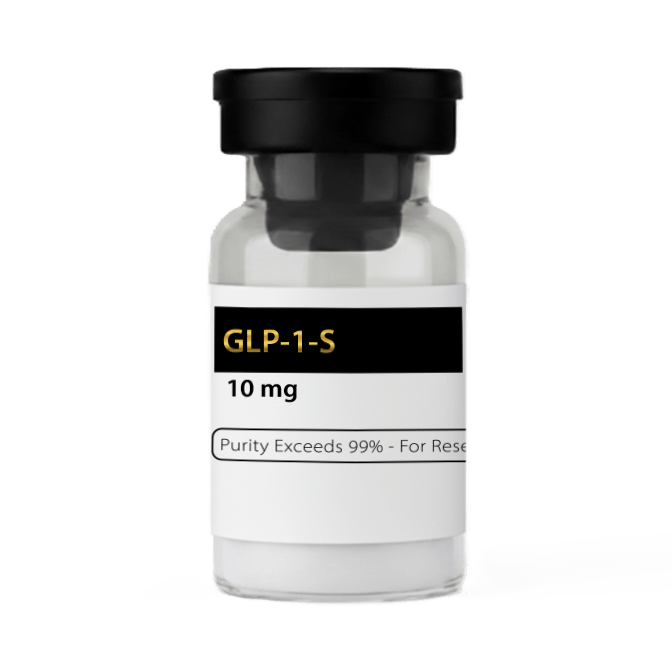
GLP-1-S is available in multiple formats for research applications. The 10mg vial format provides lyophilized peptide suitable for reconstitution and standard laboratory use. This format offers flexibility in dosing and application methods for various research protocols.
The 3mg tablet format represents an alternative delivery option for specific research applications. This format may be particularly relevant for studies examining oral peptide delivery, stability in gastrointestinal environments, or comparative bioavailability research between different administration routes.
GLP-2-T: Glucagon-Like Peptide-2 Research
Molecular Structure and Distinct Properties
GLP-2-T represents a modified form of Glucagon-Like Peptide-2, a 33-amino acid peptide secreted by intestinal L-cells alongside GLP-1. Despite their shared cellular origin and similar nomenclature, GLP-2 has distinct structural features and biological activities compared to GLP-1. The “T” designation indicates specific structural modifications that enhance the peptide’s research utility and stability characteristics.
Like GLP-1, native GLP-2 has a short circulating half-life due to rapid enzymatic degradation. The modified GLP-2-T version addresses this limitation, providing researchers with a more stable compound for extended study protocols. This enhanced stability is particularly valuable for research requiring sustained peptide presence, such as studies of intestinal adaptation or long-term metabolic effects.
Unique Mechanisms and Receptor Interactions
GLP-2-T acts through the GLP-2 receptor, a distinct G-protein coupled receptor with limited homology to the GLP-1 receptor. This receptor is primarily expressed in the gastrointestinal tract, with highest concentrations in the intestine. The tissue-specific receptor distribution explains why GLP-2-T produces effects quite different from those of GLP-1-S, despite their shared origin.
The primary research focus for GLP-2-T has been intestinal growth and adaptation. Studies demonstrate that the peptide stimulates intestinal epithelial proliferation, increasing villus height and crypt depth in laboratory models. This trophic effect on intestinal mucosa distinguishes GLP-2-T from GLP-1-S and makes it uniquely valuable for gastrointestinal research.
GLP-2-T research has also examined the peptide’s effects on intestinal barrier function. Studies suggest the compound may enhance tight junction integrity and reduce intestinal permeability. These effects on gut barrier function have implications for research into intestinal health, nutrient absorption, and the gut’s role in systemic metabolic regulation.
Research Applications and Scientific Interest
Intestinal adaptation research represents the primary application area for GLP-2-T. Studies investigate the peptide’s ability to promote intestinal growth following surgical resection or in models of intestinal damage. This research has contributed to understanding the mechanisms underlying intestinal regeneration and adaptation to altered anatomy.
Nutrient absorption research utilizes GLP-2-T to study the relationship between intestinal morphology and absorptive capacity. By increasing villus height and surface area, the peptide provides a tool for investigating how intestinal structure influences nutrient uptake efficiency and metabolic outcomes.
Gut barrier research has explored GLP-2-T effects on intestinal permeability and tight junction proteins. Studies in this area investigate the peptide’s potential to enhance barrier function and reduce translocation of luminal contents. This research has relevance for understanding gut health and its systemic metabolic implications.
Metabolic Implications of Intestinal Function
While GLP-2-T does not directly regulate glucose like GLP-1-S, its effects on intestinal function have indirect metabolic consequences. Enhanced nutrient absorption, altered gut hormone secretion, and improved barrier function all influence systemic metabolic status. Researchers studying the gut-metabolism axis find GLP-2-T valuable for investigating these connections.
The peptide’s effects on gastric motility and secretion also contribute to its metabolic research applications. GLP-2-T appears to influence gastric emptying and acid secretion, though these effects differ from those of GLP-1-S. Comparative studies of these peptides help researchers understand the coordinated regulation of gastrointestinal function.
Comparative Analysis: GLP-1-S vs GLP-2-T
Receptor Targets and Tissue Distribution
The fundamental distinction between GLP-1-S and GLP-2-T lies in their receptor targets. GLP-1-S activates the GLP-1 receptor, which is widely distributed across pancreatic, gastrointestinal, cardiac, and neural tissues. This broad receptor distribution enables GLP-1-S to influence multiple organ systems simultaneously, making it relevant for comprehensive metabolic research.
GLP-2-T, in contrast, acts through the GLP-2 receptor, which is predominantly expressed in the gastrointestinal tract. This tissue-specific receptor distribution limits GLP-2-T’s direct effects to intestinal tissues, though these local effects can have systemic metabolic consequences through altered nutrient absorption and gut hormone secretion.
Primary Research Applications
GLP-1-S Research Focus Areas:
- Glucose-stimulated insulin secretion mechanisms
- Beta-cell proliferation and survival studies
- Glucagon suppression and hepatic glucose output
- Gastric emptying and gastrointestinal motility
- Appetite regulation and energy balance
- Cardiovascular effects of metabolic peptides
GLP-2-T Research Focus Areas:
- Intestinal epithelial proliferation and growth
- Villus height and crypt depth modulation
- Intestinal barrier function and tight junctions
- Nutrient absorption efficiency studies
- Intestinal adaptation following resection
- Gut permeability and barrier integrity
Complementary Rather Than Competitive
Rather than competing for the same research applications, GLP-1-S and GLP-2-T offer complementary tools for metabolic and gastrointestinal research. GLP-1-S provides direct glucose regulation mechanisms, while GLP-2-T offers tools for studying intestinal adaptation and its metabolic consequences. Researchers investigating the full spectrum of metabolic regulation may find value in studying both peptides to understand their coordinated physiological roles.
Some research protocols investigate the combined effects of both peptides, exploring how enhanced intestinal function (GLP-2-T) might interact with direct glucose regulation (GLP-1-S) to produce coordinated metabolic outcomes. These combination studies help researchers understand the integrated nature of gut hormone physiology.
Metabolic Research Peptides


Frequently Asked Questions
What is the main difference between GLP-1-S and GLP-2-T?
The primary difference lies in their receptor targets and resulting biological effects. GLP-1-S activates the GLP-1 receptor, influencing glucose regulation through pancreatic hormone secretion, gastric emptying, and central appetite regulation. GLP-2-T activates the GLP-2 receptor, primarily affecting intestinal growth, barrier function, and nutrient absorption. While both are gut hormones, they serve distinct physiological functions and are used for different research applications.
Which peptide should I use for glucose regulation research?
For direct glucose regulation research, GLP-1-S is the appropriate choice. This peptide stimulates glucose-dependent insulin secretion, suppresses glucagon release, and influences multiple aspects of glucose homeostasis. GLP-2-T does not directly regulate blood glucose and would not be suitable for studies focused on glucose control mechanisms. GLP-1-S is available in both 10mg vial and 3mg tablet formats to accommodate different research protocols.
Can GLP-1-S and GLP-2-T be used together in research?
Yes, combination research with both peptides can provide valuable insights into the coordinated functions of gut hormones. Since they are co-secreted by intestinal L-cells and work together physiologically, studying their combined effects may reveal important interactions between glucose regulation and intestinal function. Researchers should design appropriate controls and consider potential synergistic or additive effects when planning combination studies.
What research applications are best suited for GLP-2-T?
GLP-2-T is specifically valuable for research involving intestinal physiology, including studies of epithelial proliferation, villus growth, intestinal adaptation following surgical resection, barrier function, and nutrient absorption. The peptide’s trophic effects on intestinal mucosa make it uniquely suited for gastrointestinal research. Studies investigating the gut-metabolism axis may also utilize GLP-2-T to examine how intestinal changes influence systemic metabolic status.
Are these peptides stable for long-term research studies?
Both GLP-1-S and GLP-2-T are modified forms designed to enhance stability compared to their native counterparts. The structural modifications resist enzymatic degradation, extending their half-lives for research applications. However, proper storage remains essential—lyophilized peptides should be stored at -20°C or below, and reconstituted solutions require refrigeration with limited stability periods. Following proper storage protocols ensures peptide integrity throughout your research.
What concentrations are typically used in metabolic research?
Research concentrations vary significantly depending on the experimental model, route of administration, and specific research objectives. Published studies have used a wide range of concentrations across different research contexts. Researchers should consult existing literature for their specific application and conduct pilot studies to establish optimal dosing for their particular experimental system. Vizeeq offers multiple product sizes to accommodate various research scales.
Do these peptides have cardiovascular effects?
GLP-1-S has been studied for cardiovascular effects due to GLP-1 receptor expression in cardiac tissue. Research has examined potential cardioprotective properties, effects on cardiac function, and vascular outcomes. GLP-2-T research has focused less on cardiovascular effects, as the GLP-2 receptor has limited cardiac expression. Researchers interested in cardiovascular applications should focus on GLP-1-S and consult the relevant literature for specific study designs.
⚠️ For Research Use Only
All compounds discussed in this guide are for laboratory research purposes only. These peptides are not approved for human consumption, diagnostic use, or therapeutic applications. All research must comply with applicable local, state, and federal regulations. Researchers should consult institutional guidelines and regulatory requirements before beginning any peptide research.
Conclusion: Selecting the Right Peptide for Your Research
The choice between GLP-1-S and GLP-2-T depends entirely on your research objectives and the specific metabolic mechanisms you wish to investigate. These peptides, while both originating from intestinal L-cells, serve distinct physiological functions and offer unique research applications.
GLP-1-S provides researchers with a powerful tool for investigating glucose regulation, pancreatic function, and the complex interplay between gut hormones and metabolic control. Its effects on insulin secretion, glucagon suppression, and gastric motility make it essential for research in glucose homeostasis and metabolic regulation. The availability of both vial and tablet formats offers flexibility for different research protocols.
GLP-2-T offers specialized tools for gastrointestinal research, particularly studies involving intestinal growth, adaptation, and barrier function. Its unique effects on intestinal epithelial proliferation and villus architecture provide insights into gut physiology that cannot be obtained through GLP-1-S research. For investigators studying the gut-metabolism axis, GLP-2-T provides essential tools for understanding how intestinal changes influence systemic metabolic status.
Rather than viewing these peptides as alternatives to one another, researchers should recognize their complementary nature. Together, GLP-1-S and GLP-2-T enable comprehensive investigation of gut hormone physiology and its metabolic consequences. Studies utilizing both peptides can reveal the coordinated regulation of glucose homeostasis and intestinal function that characterizes normal metabolic physiology.
At Vizeeq, we provide research-grade GLP-1-S and GLP-2-T manufactured to the highest purity standards. Whether your research focuses on glucose regulation, intestinal physiology, or the integrated study of metabolic function, our peptides provide the quality and consistency necessary for meaningful scientific discovery.
