GHK-Cu: Anti-Aging and Cellular Repair Research
Exploring the science behind GHK-Cu and its applications in longevity, cellular repair, and tissue regeneration studies.
What is GHK-Cu?
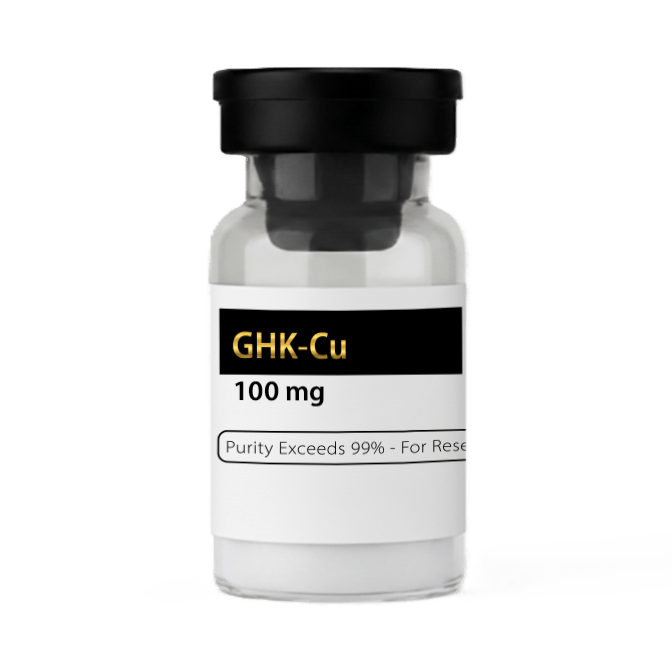
GHK-Cu (Glycyl-L-Histidyl-L-Lysine Copper) is a naturally occurring copper peptide found in human plasma, saliva, and urine. Discovered in 1973, this tripeptide has gained significant attention in research for its potential role in tissue repair, collagen synthesis, and cellular regeneration.
Molecular Mechanisms
Copper Ion Transport
GHK-Cu functions as a copper carrier, delivering copper ions to cells where they serve as cofactors for numerous enzymes involved in tissue repair and antioxidant defense.
Collagen and Elastin Synthesis
Research demonstrates that GHK-Cu stimulates both collagen and elastin production, essential components of the extracellular matrix that provide structural support to tissues.
Research Applications
Skin and Dermal Research
Studies have extensively examined GHK-Cu’s effects on skin remodeling, wound healing, and dermal matrix regeneration.
Anti-Inflammatory Research
GHK-Cu demonstrates anti-inflammatory properties through modulation of cytokine expression and immune cell activity.
⚠️ For Research Use Only
GHK-Cu is strictly for laboratory research purposes. Not for human consumption, diagnostic use, or therapeutic applications.