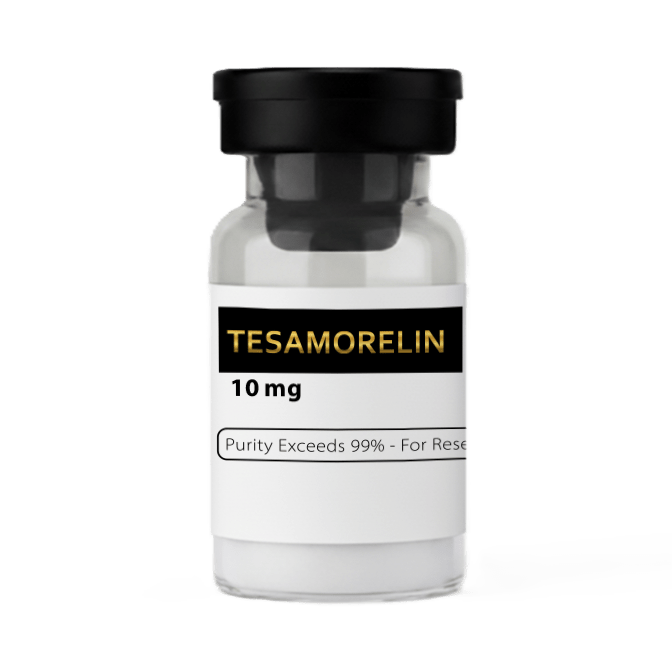
The Complete Guide to Research Peptides: Applications, Protocols, and Best Practices
A comprehensive resource covering peptide research applications, laboratory protocols, quality standards, and regulatory considerations.
Introduction to Research Peptides
Research peptides are synthetic compounds used in laboratory settings to study various biological processes. These compounds have become essential tools in understanding cellular mechanisms, tissue repair, metabolic pathways, and therapeutic potential.
Research Applications
Tissue Repair and Regeneration
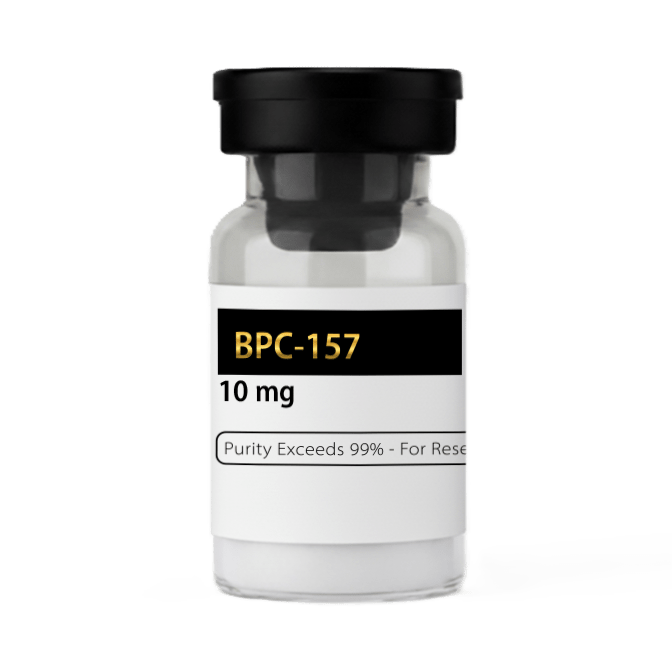
Peptides like BPC-157 and TB-500 are extensively studied for their potential in tissue repair research, including tendon healing, muscle regeneration, and wound closure mechanisms.
Metabolic Research
GLP-1 and related peptides are investigated for their role in glucose metabolism, insulin sensitivity, and energy homeostasis research.
Longevity and Cellular Health
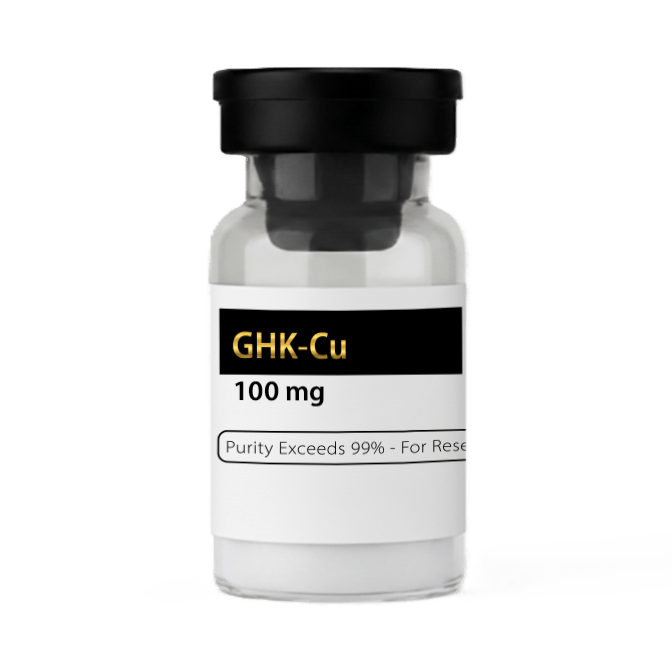
Compounds like GHK-Cu and Epithalon are studied for their potential effects on cellular aging, DNA repair, and tissue maintenance.
Laboratory Protocols
Storage and Handling
- Store lyophilized peptides at -20°C
- Protect from light and moisture
- Use sterile technique for reconstitution
- Label all containers with compound and date
Quality Control
- Verify purity through HPLC analysis
- Request Certificates of Analysis
- Test for endotoxins when applicable
- Document batch numbers and sources
⚠️ For Research Use Only
All peptides are strictly for laboratory research purposes. Not for human consumption, diagnostic use, or therapeutic applications. Researchers must comply with all institutional and regulatory guidelines.