
Best Peptide for Tissue Repair: Complete Research Guide
A comprehensive comparison of BPC-157, TB-500, GHK-Cu, and combination therapies for tissue regeneration and healing research.
Introduction to Tissue Repair Peptide Research
Tissue repair and regeneration represent one of the most dynamic fields in modern peptide research. Scientists worldwide are investigating how specific peptide compounds influence cellular healing mechanisms, extracellular matrix remodeling, and tissue regeneration pathways. Understanding which peptides offer the most promising research applications requires examining their distinct mechanisms of action, research histories, and comparative effectiveness in laboratory settings.
When researchers ask about the best peptide for tissue repair, the answer depends on the specific research context. Different peptides target different aspects of the healing cascade—some focus on angiogenesis and blood vessel formation, others on fibroblast activation and collagen synthesis, while some compounds influence multiple pathways simultaneously. This guide provides an objective comparison of the leading tissue repair peptides available for research purposes, examining their unique characteristics and research applications.
The peptides examined in this guide—BPC-157, TB-500, and GHK-Cu—represent the most extensively studied compounds in tissue regeneration research. Each offers distinct advantages for specific research applications, and understanding their differences enables researchers to select the most appropriate compound for their experimental protocols.
BPC-157: The Body Protection Compound
Research Background and Discovery
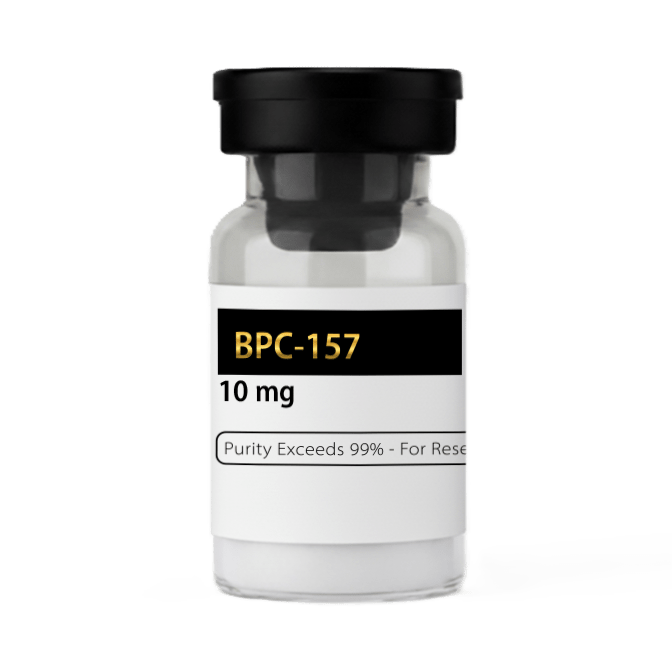
BPC-157, short for Body Protection Compound-157, is a synthetic pentadecapeptide derived from a protective protein found in human gastric juice. First isolated and synthesized for research purposes, this peptide has become one of the most extensively studied compounds in tissue repair research. Its unique sequence of 15 amino acids has shown remarkable stability and bioavailability in laboratory studies compared to many other research peptides.
The peptide’s origin in gastric tissue is significant because the stomach represents one of the body’s most aggressive healing environments, constantly exposed to acids and mechanical stress. Researchers have been particularly interested in understanding how BPC-157 influences cellular signaling pathways related to tissue protection and regeneration across various tissue types.
Mechanisms of Action in Research
Research indicates that BPC-157 influences multiple cellular processes relevant to tissue repair. The peptide appears to modulate the nitric oxide system, which plays a crucial role in angiogenesis and blood flow regulation. In laboratory settings, researchers have observed increased expression of growth factors including VEGF (Vascular Endothelial Growth Factor), which promotes the formation of new blood vessels essential for tissue healing.
BPC-157 research has also focused on its interactions with the extracellular matrix. The peptide appears to influence collagen organization and deposition, critical components of tissue structural integrity. Studies suggest it may enhance fibroblast migration and proliferation—key cellular processes in wound healing and tissue remodeling.
Additionally, BPC-157 has been studied for its potential effects on tendon and ligament healing. These dense connective tissues typically have limited blood supply, making them challenging to heal. Research has explored how the peptide might influence tenocyte activity and extracellular matrix production in these specialized tissues.
Research Applications and Studies
Laboratory research with BPC-157 has encompassed various tissue types and healing models. Studies have examined its effects on muscle tissue repair, particularly following controlled injury models. The peptide has also been investigated in research involving bone healing, with studies exploring its influence on osteoblast activity and bone remodeling processes.
Gastrointestinal research represents another significant area of BPC-157 study, reflecting its origins in gastric tissue. Researchers have investigated its potential protective effects on the GI tract lining and its influence on gut barrier integrity. These studies have implications for understanding mucosal healing mechanisms throughout the body.
The peptide has also been studied in models of nervous system tissue repair. Research has explored BPC-157’s potential neuroprotective properties and its influence on neuronal regeneration, opening avenues for understanding neural tissue healing mechanisms.
TB-500: Thymosin Beta-4 Research
Origins and Molecular Structure
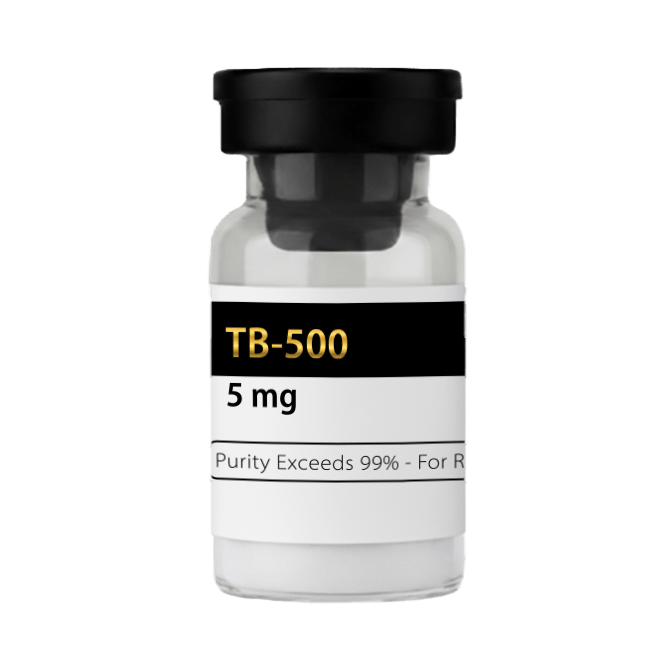
TB-500 represents the synthetic version of Thymosin Beta-4, a naturally occurring peptide present in virtually all human and animal cells. First discovered in the thymus gland, this 43-amino acid peptide plays fundamental roles in cellular processes related to tissue repair and regeneration. The synthetic TB-500 version contains the active region of the full Thymosin Beta-4 molecule, making it more accessible for research purposes.
Thymosin Beta-4 is one of the most abundant peptides in mammalian tissues, particularly concentrated in platelets and white blood cells. This natural abundance suggests its importance in normal physiological processes, particularly those related to wound healing and tissue maintenance. Researchers have been studying TB-500 to better understand these natural healing mechanisms and their potential applications in tissue regeneration research.
Cellular Mechanisms and Research Focus
TB-500 research has revealed several important cellular mechanisms relevant to tissue repair. The peptide appears to regulate actin, a protein essential for cell structure and movement. By sequestering actin monomers, TB-500 influences cell migration—a critical process in wound healing where cells must move to injury sites to begin repair processes.
Research has also focused on TB-500’s role in angiogenesis, the formation of new blood vessels. Laboratory studies suggest the peptide promotes endothelial cell migration and differentiation, processes essential for developing new vascular networks in healing tissues. This angiogenic activity complements the peptide’s effects on cellular migration and tissue remodeling.
The peptide has been studied for its potential anti-inflammatory properties in research settings. Inflammation represents a natural response to tissue injury, but excessive or prolonged inflammation can impede healing. TB-500 research has explored how the peptide might influence inflammatory cytokine production and immune cell activity during the healing process.
Research Applications and Comparative Studies
TB-500 has been extensively studied in cardiovascular research, particularly regarding its effects on cardiac tissue repair following injury models. The peptide’s angiogenic properties make it particularly interesting for research involving blood vessel formation and cardiac remodeling. Studies have examined its influence on cardiomyocyte survival and cardiac function in controlled laboratory settings.
Wound healing research represents another major application area for TB-500. Studies have investigated the peptide’s effects on various wound models, examining parameters such as wound closure rates, tissue regeneration quality, and scar formation. The peptide’s influence on keratinocyte migration has been of particular interest in dermal healing research.
Comparative studies between TB-500 and other tissue repair peptides have helped researchers understand the unique contributions of each compound. While BPC-157 may offer advantages in certain tissue types, TB-500’s broad cellular distribution and fundamental role in actin regulation provide distinct research applications, particularly in studies focusing on cell migration and tissue remodeling.
GHK-Cu: Copper Peptide Research
Discovery and Molecular Characteristics
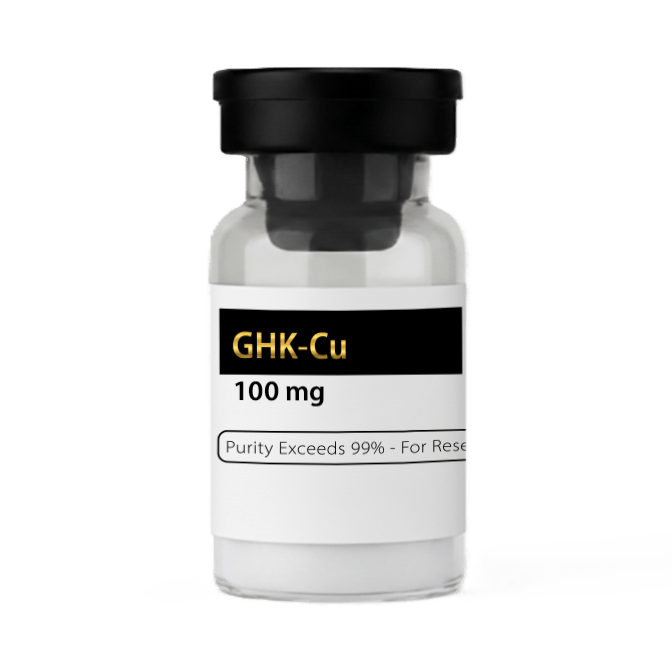
GHK-Cu, also known as Copper Peptide or Glycyl-L-Histidyl-L-Lysine-Copper, represents a unique class of tissue repair compounds combining a tripeptide with a copper ion. Discovered in 1973 by Dr. Loren Pickart, this peptide-copper complex has been the subject of extensive research spanning decades. The GHK sequence naturally occurs in human plasma, though levels decline significantly with age, making it an interesting subject for regeneration research.
The copper ion in GHK-Cu plays a crucial structural and functional role. Copper serves as a cofactor for numerous enzymes involved in tissue repair, including lysyl oxidase (critical for collagen cross-linking) and superoxide dismutase (an antioxidant enzyme). The GHK peptide acts as a copper carrier, delivering this essential mineral to tissues where it participates in repair processes.
Mechanisms of Action in Tissue Repair
GHK-Cu research has identified multiple mechanisms relevant to tissue regeneration. The peptide appears to influence gene expression, with studies showing effects on numerous genes related to tissue repair, antioxidant defense, and extracellular matrix production. This broad genetic influence distinguishes GHK-Cu from peptides with more targeted mechanisms.
The compound has been studied for its effects on collagen and elastin synthesis. Research indicates GHK-Cu may stimulate fibroblasts to produce these structural proteins essential for tissue strength and elasticity. Studies have examined its influence on collagen types I, III, and IV, each playing distinct roles in tissue architecture.
GHK-Cu has also been investigated for its potential antioxidant and anti-inflammatory properties. The copper component participates in superoxide dismutase activity, helping neutralize free radicals that can damage healing tissues. Research has explored how this antioxidant activity might protect cells during the metabolically demanding healing process.
Research Applications and Unique Properties
Dermal and cosmetic research represents a significant application area for GHK-Cu. Studies have examined the peptide’s effects on skin remodeling, wound healing, and tissue regeneration in dermatological models. The compound’s influence on both collagen production and antioxidant defense makes it particularly interesting for research involving aged or damaged skin tissue.
Hair follicle research has also utilized GHK-Cu, with studies investigating its effects on hair growth and follicle health. The peptide’s angiogenic properties and influence on extracellular matrix may contribute to follicle maintenance and regeneration, though research in this area continues to evolve.
Lung tissue research has explored GHK-Cu in models of pulmonary repair. The peptide’s potential to influence tissue remodeling and reduce inflammation has made it a subject of interest for researchers studying lung regeneration and repair mechanisms.
Comparative Analysis: Selecting the Right Peptide for Your Research
Mechanism-Based Selection
Selecting the best peptide for tissue repair research depends largely on the specific mechanisms under investigation. For studies focusing on angiogenesis and blood vessel formation, both BPC-157 and TB-500 offer relevant research applications, with BPC-157 showing particular promise in VEGF-related pathways. TB-500’s actin-regulating properties make it especially suitable for research involving cell migration and tissue remodeling.
GHK-Cu distinguishes itself through its broad genetic influence and copper-mediated enzyme activation. Researchers investigating extracellular matrix production, collagen cross-linking, or antioxidant defense in healing tissues may find GHK-Cu particularly relevant to their work. The peptide’s effects on multiple tissue repair genes simultaneously make it valuable for studies examining coordinated healing responses.
Tissue-Specific Considerations
Different tissues present unique healing challenges that may influence peptide selection. For research involving dense connective tissues like tendons and ligaments, BPC-157’s specific effects on tenocytes and collagen organization may provide relevant insights. The peptide’s origins in mechanically stressed gastric tissue suggest adaptations that may translate to other high-stress connective tissues.
Cardiovascular tissue research may benefit from TB-500’s established applications in cardiac repair studies and its fundamental role in cell migration. The peptide’s presence in platelets—cells critically involved in wound healing—suggests its importance in natural tissue repair processes.
Dermal and cosmetic tissue research often utilizes GHK-Cu due to its extensive history in skin-related studies and its dual action on both structural proteins and antioxidant defense. The peptide’s cosmetic research applications have generated substantial data on its effects in superficial tissue layers.
Combination Research Approaches
Some researchers investigate combinations of tissue repair peptides to explore potential synergistic effects. The BPC-157 and TB-500 combination has attracted particular interest because these peptides target different aspects of the healing cascade—BPC-157 influencing growth factor expression and nitric oxide pathways, while TB-500 regulates cell migration through actin modulation.
Research combining GHK-Cu with other peptides explores how copper-mediated enzyme activation might complement growth factor-based healing mechanisms. These combination studies aim to understand whether coordinated administration produces enhanced tissue repair outcomes compared to single-peptide approaches.
When designing combination studies, researchers must consider peptide stability, potential interactions, and appropriate controls. The complexity of multi-peptide research requires careful experimental design to isolate the contributions of each compound.
Research-Grade Tissue Repair Peptides

Frequently Asked Questions
Which peptide is best for tendon healing research?
BPC-157 has been extensively studied in tendon and ligament research due to its specific effects on tenocytes and collagen organization. Its origins in gastric tissue—an environment requiring robust healing capabilities—suggest adaptations that may translate to dense connective tissues. However, TB-500 also offers relevant applications through its effects on cell migration and tissue remodeling. The choice depends on whether your research focuses more on cellular signaling (BPC-157) or structural remodeling (TB-500).
Can BPC-157 and TB-500 be used together in research?
Yes, combination research with BPC-157 and TB-500 has been conducted to explore potential synergistic effects. These peptides target different mechanisms—BPC-157 influences growth factor expression and nitric oxide pathways, while TB-500 regulates actin and cell migration. Some researchers investigate whether coordinated administration produces enhanced outcomes compared to single-peptide approaches. Vizeeq offers a pre-formulated BPC/TB Blend for researchers interested in combination studies.
What makes GHK-Cu different from other tissue repair peptides?
GHK-Cu is unique because it combines a tripeptide with a copper ion, creating a complex with distinct mechanisms from pure peptide compounds. The copper component serves as a cofactor for enzymes critical to tissue repair, including lysyl oxidase for collagen cross-linking and superoxide dismutase for antioxidant defense. Additionally, GHK-Cu influences gene expression broadly, affecting numerous genes related to tissue repair simultaneously rather than targeting specific pathways.
How do I choose between these peptides for my research?
Selection depends on your specific research focus. For angiogenesis and growth factor studies, BPC-157 offers extensive research history. For cell migration and actin-related research, TB-500 provides relevant mechanisms. For studies involving collagen cross-linking, antioxidant defense, or broad genetic influence on healing, GHK-Cu may be most appropriate. Consider which cellular processes are most relevant to your research questions and select the peptide with established effects in those areas.
Are these peptides stable for long-term research projects?
All three peptides demonstrate good stability when stored properly according to research protocols. Lyophilized peptides should be stored at -20°C or lower, while reconstituted solutions require refrigeration and have limited stability periods. BPC-157 is particularly noted for its chemical stability compared to many other research peptides. For long-term research projects, proper aliquoting and storage are essential to maintain peptide integrity throughout the study duration.
What concentration should I use for tissue repair research?
Research concentrations vary widely depending on the specific experimental model, cell type, and research objectives. Published studies have used varying concentrations across different research contexts. Researchers should consult existing literature for their specific application and conduct pilot studies to determine optimal concentrations for their particular experimental system. Vizeeq provides research-grade peptides in various quantities to accommodate different study scales.
Are there any differences in research applications between these peptides?
Yes, each peptide has developed distinct research niches based on its mechanisms. BPC-157 research has emphasized tendon healing, gastrointestinal protection, and growth factor modulation. TB-500 research has focused on cardiovascular repair, wound healing, and cell migration studies. GHK-Cu research has concentrated on dermal applications, cosmetic science, and antioxidant mechanisms. While there’s overlap in general tissue repair research, each peptide offers unique advantages for specific research questions.
⚠️ For Research Use Only
All compounds discussed in this guide are for laboratory research purposes only. These peptides are not approved for human consumption, diagnostic use, or therapeutic applications. All research must comply with applicable local, state, and federal regulations. Researchers should consult institutional guidelines and regulatory requirements before beginning any peptide research.
Conclusion: Making an Informed Research Decision
Determining the best peptide for tissue repair research requires careful consideration of your specific experimental objectives, target tissues, and the cellular mechanisms you wish to investigate. BPC-157, TB-500, and GHK-Cu each offer distinct advantages that make them valuable for different research applications.
BPC-157 stands out for researchers focusing on growth factor modulation, nitric oxide pathways, and applications involving dense connective tissues. Its extensive research history and chemical stability make it a reliable choice for various tissue repair studies. TB-500 offers unique value for research involving cell migration, actin dynamics, and cardiovascular tissue repair, reflecting its fundamental role in natural healing processes. GHK-Cu provides distinct mechanisms through its copper-mediated enzyme activation and broad genetic influence, making it particularly relevant for research involving extracellular matrix production and antioxidant defense.
For researchers seeking to explore combination approaches, the BPC/TB Blend offers a convenient way to investigate potential synergistic effects between these two well-studied compounds. Combination research may reveal enhanced outcomes through complementary mechanisms targeting different aspects of the healing cascade.
At Vizeeq, we manufacture all our research peptides to the highest purity standards, with comprehensive quality testing and Certificates of Analysis provided with every product. Whether your research requires BPC-157, TB-500, GHK-Cu, or combination formulations, our research-grade compounds provide the consistency and reliability necessary for meaningful scientific inquiry.
